
Environmental Impact Of Commercial Hazardous Waste Transportation Practices
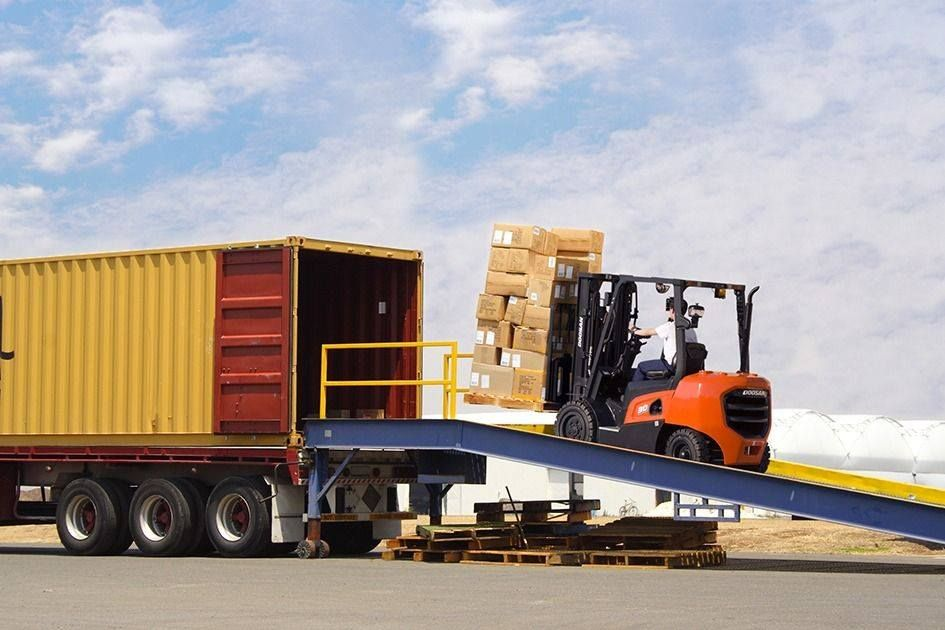
Transportation of hazardous waste is an essential part of modern industry. Factories, laboratories, and medical facilities produce materials that are dangerous if mishandled. Moving these substances safely is critical, yet the environmental toll of commercial hazardous waste transportation is often underestimated. From air emissions to accidental spills, the risks extend far beyond the immediate surroundings. Understanding these impacts is crucial for businesses, regulators, and communities alike.
Regulations Guiding Commercial Hazardous Waste Transportation
Commercial hazardous waste transportation refers to the movement of toxic, flammable, or otherwise dangerous materials by licensed carriers. Strict regulations exist to prevent accidents and environmental contamination. Agencies mandate specific containers, labeling, and routing procedures. Compliance reduces risks but cannot eliminate them entirely. Even minor violations can lead to soil contamination, water pollution, or air hazards, showing how crucial adherence is to protecting ecosystems during commercial hazardous waste transportation.
Air Pollution From Transportation Vehicles
Trucks, trains, and sometimes ships used in commercial hazardous waste transportation rely heavily on fossil fuels. Diesel engines emit nitrogen oxides, particulate matter, and carbon dioxide. These pollutants contribute to smog, acid rain, and climate change. In densely populated or ecologically sensitive areas, the impact is magnified. Reducing vehicle emissions, using cleaner fuels, and optimizing delivery routes are ways to lessen the environmental footprint of commercial hazardous waste transportation.
Risks Of Accidental Spills During Transit
Despite careful planning, accidents happen. Crashes or container failures during commercial hazardous waste transportation can release dangerous substances into rivers, soil, or air. Cleanup can take years and may never fully restore the original ecosystem. Spill prevention technology, regular vehicle inspections, and staff training are vital to minimizing these incidents. Communities near transport routes are especially vulnerable, highlighting the need for stringent safety measures in commercial hazardous waste transportation.
See also: The Future of Blockchain: How It Will Impact Our Lives
Noise And Habitat Disturbance Effects
The movement of hazardous waste often involves heavy vehicles operating around the clock. This activity generates significant noise, which can disturb wildlife and nearby communities. Habitat fragmentation occurs when transport routes cut through forests or wetlands. Endangered species may be particularly affected. Thoughtful route planning and timing of deliveries are key strategies to reduce these subtle but meaningful impacts of commercial hazardous waste transportation.
Waste Handling Practices At Transit Points
The environmental impact is not limited to the journey itself. Loading and unloading areas, transfer stations, and storage facilities also play a role. Poor handling can lead to leaks, evaporation of volatile compounds, or contamination of local water systems. Best practices include secure containment, routine inspections, and emergency response plans. By improving waste handling at transit points, the overall environmental burden of commercial hazardous waste transportation can be mitigated effectively.
Emerging Technologies Reducing Environmental Footprint
Innovations are helping make commercial hazardous waste transportation safer. Electric or hybrid vehicles reduce emissions. Advanced sensors monitor container integrity in real time. AI and route optimization software can minimize travel distance and risk. Even small changes in technology adoption can have a significant cumulative effect on reducing environmental damage. Companies embracing these innovations demonstrate a commitment to sustainable commercial hazardous waste transportation practices.
Conclusion
The environmental impact of commercial hazardous waste transportation is wide-ranging, from air pollution to habitat disruption and accidental spills. Awareness, regulation, and technological advancement all play crucial roles in mitigating these effects. By prioritizing safety, efficiency, and sustainability, industries can move hazardous materials responsibly, protecting both communities and ecosystems. A careful balance between industrial needs and environmental preservation is not just desirable—it’s essential.